

Add Row
Add Element
cropper
update
London Green Homes
update
Add Element
  • Home
  • Categories
    • Eco-renovations
    • London Area Home Service Experts
    • Sustainable Tech
    • Green Design
    • Energy Solutions
    • Waste Reduction
    • Community Events
    • Product Reviews
May 27.2025
3 Minutes Read

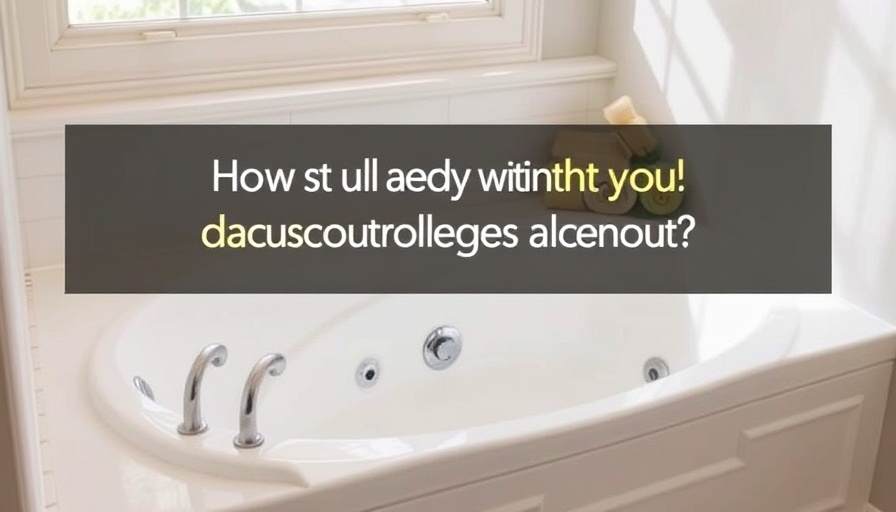
Mastering Whirlpool Bathtubs: How to Diagnose Common Issues Effectively

How to Diagnose Frequent Issues with Whirlpool Bathtubs

Identifying Common Issues with Whirlpool Bathtubs

Whirlpool bathtubs symbolize relaxation and luxury, but just like any home fixture, they can encounter problems that hinder their functionality. This article aims to guide homeowners through the common issues faced with Whirlpool bathtubs, helping them diagnose and potentially resolve these malfunctions on their own.

Jet Functionality Troubles: Power and Cleaning Check

A frequent complaint among users is the malfunction of jets. The very first step in troubleshooting this issue is to check if the power source is operational. Ensure that the electrical breaker has not tripped, as this is often a simple explanation for jet failure. Additionally, listen for any strange noises coming from the pump, which might indicate blockages or mechanical failures. If the pump appears to operate normally but the jets do not function, debris might be clogging the nozzles. To remedy this, switch off the power and clean the jets with a soft brush, carefully removing any visible debris.

The Challenge of Low Water Temperature

Unexpectedly cold water can be a source of frustration while enjoying a Whirlpool bath. Assessing the heating settings on the thermostat is crucial. If the water continues to be unsatisfactorily cool, the heater element may need replacing. Before taking this step, ensure that connections are secure; any looseness could lead to insufficient heating. Homeowners who are not comfortable dealing with hardware maintenance are encouraged to seek the help of a qualified technician to avoid accidental damage.

Addressing Low Water Pressure: The Filter Factor

Low water pressure emanating from the jets is another common issue that can dampen the whirlpool experience. Typically, this is caused by a clogged filter. Filters accumulate dirt and debris over time, leading to decreased water flow. To tackle this issue, first, turn off the bathtub system and locate the filter, usually found near the pump. Cleaning the filter or replacing it entirely can restore optimal water pressure, and regular maintenance of the filter will help prevent similar issues down the line.

Solving Noisy Whirlpool Operations: Air and Loose Parts

Noise during operation can be bothersome and is often caused by air in the pipes or loose fittings. Ensure that the water level is sufficiently high to cover the jets before activating the system, as inadequate water levels can accentuate noise issues. If noise continues, inspect the motor and surrounding components for any loose parts, tightening as needed. A systematic approach assists in maintaining tranquility while enjoying your bath.

Banishing Bad Odors: A Cleaning Approach

Unpleasant odors are not just annoying; they can also signify deeper issues such as bacterial growth within the system. A simple yet effective way to combat this is through cleansing the pipes. Running a solution of water mixed with white vinegar or a specialized tub cleaner through the jets can help sanitize the system. Regular cleaning is key to not only overcoming bad smells but also keeping the whirlpool in good operational health.

The Importance of Regular Maintenance

Regularly maintaining your Whirlpool bathtub can significantly reduce the chances of problems arising. Frequent checks of electrical connections, cleaning of jets and filters, and ensuring the water level is correct are essential practices for sustaining optimal performance. Homeowners who routinely perform these checks can often prevent minor issues from escalating into major repairs. In instances of complex malfunctions, don't hesitate to consult a professional.

FAQs: Common Queries on Whirlpool Bathtubs

What could cause the jets of my whirlpool bathtub to malfunction?

First, check that the electric breaker has not tripped and that the power is turned on. If the pump is running but the jets remain inactive, clean off any debris from the nozzles. Always be attentive to any unusual sounds as they can point to further mechanical issues.

Transforming your Whirlpool bathtub from a source of stress to a space of relaxation is essential in maintaining a comfortable home environment. Knowing how to diagnose and rectify common issues is a crucial step. Engage with your bathtub through routine checks and practices to ensure longevity and efficiency.

London Area Home Service Experts

18 Views

0 Comments

Write A Comment

*
*
Related Posts All Posts
02.05.2026

London Homeowners Invited to Engage in LEN's Strategic Planning Process

Update Hello London Homeowners: Your Chance to Help Shape a Greener FutureDo you want to be part of the movement that makes London one of Canada’s greenest cities? The London Environmental Network (LEN) is gearing up for its next big step—developing a comprehensive strategic plan that will outline how it can achieve this ambitious goal. As a homeowner in London, you are not just a resident; you are a vital part of this dynamic plan!The LEN is inviting strategic planning consultants to join them in this exciting endeavor. The importance of inclusive, forward-thinking processes cannot be overstated. This is your chance to voice your opinions, helping to shape a direction that resonates not only with local values but also with the greater community's needs.The Role of Consultants: Bridging Vision and ActionThe consultants who will be selected will work directly with the LEN Board and leadership. Their mission? To engage with stakeholders like you and provide insight that assists in defining practical actions for environmental success. By integrating various perspectives, the final strategic plan will reflect a more connected community committed to making the environment a priority.Your Input Matters: Understanding Local Needs and PerspectivesThe LEN seeks to dive deep into understanding the unique environmental and societal challenges London faces. Your input can help them identify key priorities. Whether it's improving air quality, enhancing green spaces, or fostering renewable energy initiatives, together we can make London thrive.Past Successes Fueling Future AspirationsOver the years, LEN has developed impactful initiatives like Green Economy London, supporting businesses in achieving sustainability targets. Similarly, programs like Greener Homes London empower homeowners to make eco-conscious choices, providing personalized guidance on energy efficiency and climate action.As part of the new strategic planning process, the LEN aims to build upon these successes, ensuring that future initiatives are even more effective. It’s essential for homeowners like you to participate and input the on-the-ground experiences; after all, you are directly affected by these initiatives.Anticipated Timeline: A Journey Worth FollowingThe planning process is set to kick off in March 2026, with community engagement happening through the spring. By the summer, themes will be presented at LEN's Annual General Meeting, showcasing a high-level overview of the direction the organization is taking based on your community feedback. Final deliverables are expected by October 2026, leading us toward a greener London.How You Can Get InvolvedWhile LEN seeks experts to guide this planning process, you can also take action! Attend LEN community events, provide feedback during engagement sessions, or simply foster discussions in your neighborhood about our local environment. The more voices that contribute to this process, the stronger and more diverse the outcomes will be.Seize the Opportunity: Proposals are Open!If you’re involved in consultancy and passionate about environmental issues, consider submitting a proposal to work with LEN. While proposals are due by February 20th, 2026, ensure your application highlights your ability to engage communities equitably and effectively.Your perspective, as part of London’s vibrant community, is crucial for this project. Together, let's forge a path that leads to a sustainable, eco-friendly city. Stay informed about the LEN’s journey—your involvement could spark the change that leads to a healthier environment for everyone!

01.24.2026

Transform Your Home: Smart Retrofitting Investments for Canadian Homeowners

Update Retrofitting Your Home: The Smartest Investments You Can Make As a homeowner in Canada, you're likely facing rising energy bills and increasingly volatile weather patterns. While moving or purchasing a newer property might seem like the obvious solution, retrofitting your existing home offers a more pragmatic approach that can provide numerous benefits at a fraction of the cost. 1. Reduce Energy Costs and Enhance Comfort Older homes often lack the energy efficiency of newer constructions, resulting in drafts, fluctuating temperatures, and discomfort. Common retrofitting strategies include: Adding insulation to attics, walls, and basements Sealing gaps around windows and doors Upgrading heating and cooling systems to high-efficiency models Investing in these upgrades not only cuts energy consumption but also significantly lowers your utility bills, creating a more comfortable living environment year-round. Many homeowners report feeling warmer in the winter and cooler in the summer after retrofitting their homes. 2. Climate Resilience Through Retrofitting The changing climate poses new challenges, from heat waves to heavy storms. Homes often need to be fortified to withstand these conditions. Retrofitting improves resilience by: Enhancing insulation to keep homes cooler during heat waves Installing roof upgrades and better drainage systems to combat storm impacts Improving air-tightness to maintain warmth during power outages Such upgrades not only protect property values but also provide peace of mind, knowing that your home is safeguarded against extreme weather. 3. Planning Your Retrofit Wisely One size does not fit all regarding retrofitting. Ideally, homeowners should engage professionals to create tailored plans that assess specific needs and budgetary constraints. A successful retrofit will require: Identification of cost-effective upgrades Logical prioritization of work, ensuring foundational improvements are made before more visible changes Awareness of available grants and incentives Proper planning can lead to a smoother retrofit experience, minimizing costs and maximizing benefits. 4. Increased Home Value and Environmental Alignment In today’s market, energy-efficient homes stand out to prospective buyers. Retrofitting not only enhances your home’s comfort and energy efficiency but also boosts its resale value. Additionally, these upgrades contribute to Canada’s environmental goals—most homes in 2050 are already built, making retrofits vital in reducing overall emissions. Potential Financial Assistance for Homeowners Investing in retrofits can incur upfront costs, but various government programs, such as the Canada Greener Homes Initiative, offer grants and zero-interest loans to support homeowners. Grants from $125 up to $5,000 are available for eligible retrofits, enabling homeowners to alleviate some of the financial burdens associated with upgrading their homes. Conclusion: Taking Action Retrofitting your home isn't just an investment in comfort and energy savings—it's an essential step toward resilience and sustainability. If you're considering home improvements, take the time to consult with energy advisors to explore your options and maximize available incentives. Don’t hesitate—transform your home today and contribute to a more sustainable future!

12.20.2025

Essential Tips to Prevent Frozen Pipes During Ontario Winters

Update The Hidden Dangers of Frozen Pipes Frozen pipes are a serious concern, especially for homeowners in colder climates like Ontario, where winter temperatures can plummet to -20°C and beyond. When the water inside a pipe freezes, it expands, creating immense pressure that can cause pipes to crack or burst. This phenomenon can lead to catastrophic flooding and costly repairs, often reaching thousands of dollars. Understanding why and when pipes freeze is the first step to prevention, particularly in unheated spaces such as basements, crawl spaces, and exterior walls. Essential Strategies for Preventing Frozen Pipes To safeguard your plumbing system from freezing, it's vital to employ a proactive approach. Here are some top-notch strategies to implement: Insulate Exposed Pipes: Pipes in unheated areas benefit greatly from insulation. Use foam sleeves or fiberglass wraps for pipes located in basements, attics, and garages. Proper insulation helps to maintain warmth and prevent the water inside from freezing. Maintain Steady Indoor Temperatures: Fluctuating temperatures can create cold spots conducive to freezing. It's essential to keep your home heated consistently, even when you’re away. Set your thermostat to at least 17°C (63°F) and avoid drastic temperature changes. Disconnect Outdoor Hoses: Before the temperatures drop significantly, make sure to disconnect and drain outdoor hoses and taps. Any remaining water in these pipes can freeze and lead to bursts. Allow Faucets to Drip: When temperatures drop drastically, leaving a faucet dripping can help keep water moving within the pipes, making it less likely they will freeze. This minor increase in usage comes at a fraction of the cost of repairing burst pipes. Seal Drafts: Cold air creeping into your home can drastically increase the risk of frozen pipes. Seal any gaps around windows, doors, and entry points to pipes, and use weather stripping or spray foams to keep that chill out. What to Do If Your Pipes Freeze Even with the best preventative measures, circumstances might lead to frozen pipes. If you turn on a faucet and nothing comes out, remain calm and follow these critical steps: Shut Off the Main Water Valve: This is crucial to prevent additional water pressure from causing bursts. Locate this valve and turn it off immediately. Identify the Frozen Sections: Pipes located near exterior walls are often the first to freeze. Feel for frost or cracks in the pipes, which can help pinpoint the problem areas. Thaw with Care: Applying heat safely is necessary. Use a hair dryer, heating pad, or wrap the pipe with towels soaked in hot water. Avoid open flames, as they pose both fire hazards and can damage pipes. Open the Tap: As you apply heat to the frozen section, turn on the tap associated with that pipe. This mirrors the melting ice and allows water to flow freely once the ice clears. Long-Term Solutions and Professional Help Implementing regular plumbing maintenance before temperatures drop can reduce risks considerably. Schedule a consultation with a licensed plumber to review your plumbing systems, particularly if your home has unheated areas or older plumbing systems. They can offer tailored solutions like rerouting pipes or installing heating cables where necessary. Furthermore, adopting a hands-on approach by following seasonal maintenance checklists, such as inspecting insulation and drainage systems, proves beneficial. Remember that the cost of preventive maintenance is significantly lower than the financial strain of extensive repairs post-freeze. Conclusion: Take Action to Protect Your Home Preventing frozen pipes requires diligence, especially for homeowners in regions with severe winters. By applying the above insulation strategies, maintaining a steady temperature indoors, and understanding swift actions to take if freezing does occur, you can protect both your home and finances. Don't wait for winter's chill to catch you unprepared—start your preparations today to keep your plumbing running smoothly.

Terms of Service

Privacy Policy

Core Modal Title

Sorry, no results found

You Might Find These Articles Interesting

T
Please Check Your Email
We Will Be Following Up Shortly
*
*
*