

cropper
update
London Green Homes
update
  • Home
  • Categories
    • Eco-renovations
    • London Area Home Service Experts
    • Sustainable Tech
    • Green Design
    • Energy Solutions
    • Waste Reduction
    • Community Events
    • Product Reviews
October 15.2025
3 Minutes Read

Fall Furnace Maintenance Tips to Keep Your Home Cozy and Safe

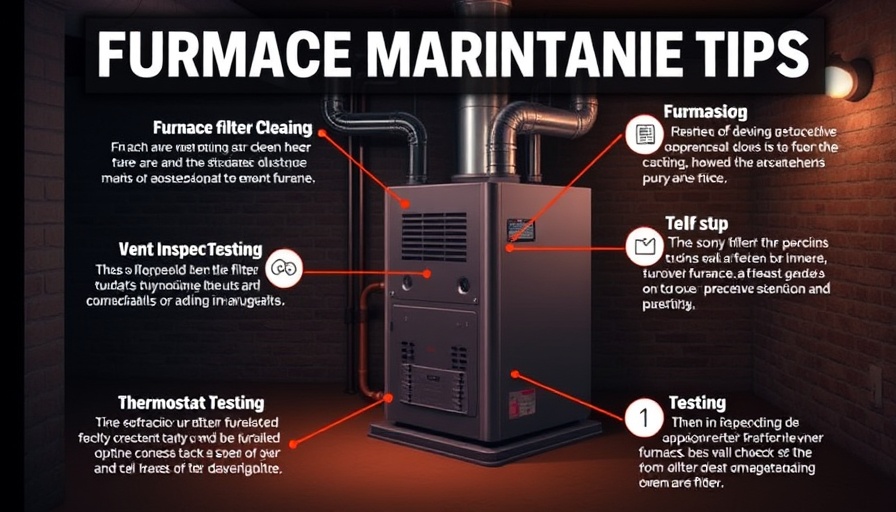
Infographic with furnace maintenance tips highlighting key preparation steps before fall.

Essential Fall Furnace Maintenance for Homeowners

As the leaves change and the air turns crisp, homeowners must prepare their heating systems for the colder months ahead. Neglecting furnace maintenance may lead to unanticipated breakdowns, higher energy bills, and discomfort during winter. In this article, we will delve into the significance of seasonal furnace maintenance, highlight practical tips, and offer insights to help you keep your home warm and energy-efficient.

Why You Can't Afford to Ignore Furnace Maintenance

Ignoring your furnace until the first cold snap is a risky move. Just like vehicles need annual check-ups, so do heating systems. A poorly maintained furnace can lead to a series of costly problems: from inefficient operation to a complete breakdown. Health concerns also arise, such as carbon monoxide leaks. Regular maintenance ensures that your system is functioning optimally, and prevents unforeseen issues that could lead to hefty repair bills later on.

Smart Homeowners Prep Early: Your Fall Furnace Checklist

To avoid the stress of last-minute furnace repairs, follow this essential checklist:

  • Inspect and Replace Filters: Dust and debris can clog filters, leading to poor airflow and increased energy consumption. Be sure to change or clean your air filters every 30-90 days to maintain efficiency.
  • Thermostat Calibration: Ensure your thermostat is accurately reading temperatures. A malfunctioning thermostat can lead to energy wastage. Consider upgrading to a smart thermostat for automatic adjustments based on your schedule.
  • Check Vents and Ducts: Unobstructed vents are crucial for proper airflow. Regularly inspect and clean your vents to avoid dust accumulation and obstructions from furniture or decor.
  • Outdoor Unit Maintenance: If you have an outdoor furnace or heat pump, remove debris and ensure a clear area around it. This can enhance its operation and longevity.
  • Professional Tune-Up: Schedule a service call with a qualified HVAC technician. They will conduct a thorough inspection, clean components, and perform any necessary repairs that can extend the life of your unit.

The Value of Professional HVAC Assessment

Your DIY efforts can set a solid foundation for your furnace's performance, but nothing beats the expertise of a licensed technician. Professionals bring specialized tools, in-depth knowledge, and the ability to spot potential issues before they become significant headaches. They can check crucial components like gas connections, heat exchangers, and safety controls to ensure your furnace operates safely.

The Role of Maintenance in Energy Savings

The primary goal of furnace maintenance is to increase efficiency and lower energy bills. An adequately maintained system can use up to 20% less energy than one that has been neglected. Homeowners should also consider that keeping your heating system in optimal condition not only saves money monthly but also extends its lifespan, ultimately providing a return on your investment.

Final Thoughts: Elevate Your Home's Comfort This Fall

With the approach of fall, it's the perfect time to reflect on your home's heating efficiency. A few simple maintenance tasks can make a significant difference in comfort, safety, and cost-effectiveness. By preparing your furnace today, you safeguard your family from unexpected cold and potential hazards associated with poor heating systems. Don't hesitate—schedule your maintenance check and be ready to embrace the season with confidence.

For further assistance or to book your fall furnace tune-up, contact your local HVAC professionals. Take action now and ensure warmth and safety for your family as the temperatures drop!

Energy Solutions

50 Views

0 Comments

Write A Comment

*
*
Please complete the captcha to submit your comment.
Related Posts All Posts
05.23.2026

Empowering Canada’s SMEs to Drive the Net-Zero Transition: A Call to Action

Update Empowering Canada’s SMEs: A Chance for Change As Canada steels itself against the mounting pressures of climate change, small and medium-sized enterprises (SMEs) emerge as pivotal players in the quest for a net-zero economy. With 99% of Canadian businesses falling into the SME category and contributing over half of Canada's GDP, their potential to lead in sustainable practices is greater than ever. Unfortunately, while carrying the weight of the economy, these businesses also generate a staggering 52% of commercial greenhouse gas emissions, pointing to a critical need for change. Facing the Challenges Head-On Transitioning to a low-carbon economy is not merely an environmental necessity but also an opportunity for innovation and growth among Canadian SMEs. Many of these businesses express a desire to engage with sustainable practices, yet face significant barriers. These include limited financial resources, a lack of expertise, and insufficient support in securing funding. Green Economy Canada proposes a solution with a proposed $3 billion Green Economy Fund, specifically aimed at supporting SMEs. This initiative could cover up to 50% of project costs, translating to possible grants of up to $100,000 for energy retrofits and clean technology adoption. Such financial assistance could empower around 30,000 businesses to embark on their own net-zero journeys. Bridging the Knowledge Gap An essential component of the net-zero transition involves equipping SMEs with the tools they need to track their greenhouse gas emissions effectively. By developing GHG inventories, businesses can gain a clearer picture of their environmental impact. Additionally, funding programs could facilitate training for employees, fostering green skills that will benefit the organization and the planet alike. These educational initiatives not only aid in sustainability efforts but also help businesses position themselves competitively in an increasingly eco-conscious marketplace. The Road Ahead for SMEs For SMEs, the pathway to a low-carbon future should be straightforward and accessible. Long, convoluted application processes for funding can deter businesses from applying altogether. An SME-first approach in the design of these programs is crucial. Simple, fast-track applications that consider the unique needs of small businesses can make participation more feasible. Moreover, rolling out equity-focused streams would ensure marginalized groups and diverse businesses can access these vital resources. Why SMEs Matter in the Climate Crisis The involvement of SMEs in the climate crisis response is not just beneficial; it's essential. As agents of change, they can inspire larger entities and communities to follow suit. Empowered SMEs can lead by example, showcasing that sustainability is attainable at every business level. As they reduce their carbon footprint, they also contribute positively to their local economies and communities, proving that environmental health and economic resilience can go hand in hand. Join the Movement Towards Sustainability To truly empower SMEs, we must not only support their transitions but also celebrate their achievements. Every step taken towards sustainability by these businesses is a step towards a brighter, cleaner future for all Canadians. As we stand on the brink of transformation, let’s champion our small businesses in their quest to lead the net-zero transition. Together, we can cultivate an economy that thrives on innovation and sustainability!

05.21.2026

7 Signs Your AC Won’t Survive This Summer: Stay Cool and Comfortable

Update Why Your AC Might Be on Its Last Legs This Summer As summer approaches, the last thing any homeowner wants to deal with is an air conditioning unit that fails during the scorching heat. Understanding the signs that your AC may not survive can help you take proactive measures to ensure your comfort and avoid costly repairs. Whether you’re experiencing strange noises or fluctuating temperatures, these indicators can be crucial in determining the health of your system. Common Signs That Indicate Your AC Needs Immediate Attention Research shows that many homeowners overlook the subtle signs of an AC unit on its way out. Here are the most common warning signs that your air conditioning system is in distress: 1. Lack of Cool Air: If your AC is not producing cool air or seems inefficient in its cooling, it could be a sign of a refrigerant leak or a failing compressor. 2. Unusual Noises: Any rattling, buzzing, or grinding sounds can indicate mechanical failure or debris within the system that could lead to bigger issues. 3. High Energy Bills: A sudden spike in energy bills can mean your air conditioner is working harder than it should, which often points to inefficiency caused by wear and tear. 4. Moisture Accumulation: Any pooling water or excessive humidity around your AC could indicate a refrigerant leak, which is not only harmful to your system but can also lead to mold development. 5. Old Age: Most AC units have a lifespan of about 10-15 years. If your system is nearing this age, consider evaluating its performance regularly. 6. Frequent Repairs: Constantly having to call for repairs is a clear sign that your unit is on its last leg. If repair costs exceed half the cost of a new unit, it may be time for an upgrade. 7. Foul Odors: If you notice musty or burning smells when your AC is running, this could indicate the presence of mold or internal component failure. Taking Action: The Importance of Regular Maintenance Preventative maintenance is key to prolonging the life of your air conditioning unit. Scheduling a professional tune-up can address many issues before they escalate, ensuring your air conditioner runs efficiently. Techniques such as cleaning or replacing filters, checking ducts for blockages, and inspecting electrical components can help maintain system reliability. According to industry reports, homeowners can save up to 30% on their energy bills by simply keeping their systems well-maintained. Energy Efficiency and Sustainable Practices Incorporating energy-efficient practices not only extends the life of your cooling system but also supports a sustainable environment. For instance, investing in an energy-efficient AC unit can significantly reduce your carbon footprint. Furthermore, opting for smart thermostats allows you to control your system’s usage more effectively, ultimately leading to both energy savings and enhanced system performance. Conclusion: Be Proactive About Your AC Care Recognizing the signs that your air conditioning unit may not survive the summer is essential for maintaining comfort and efficiency in your home. Don’t wait until it’s too late—ensure preventative measures are in place and consider a professional inspection if you notice any of the aforementioned signs. Being proactive can save you money in the long run and keep your living space cool during those hot summer months.

05.13.2026

When Is the Best Time to Turn on Your AC in Ontario? Insider Tips

Update Understanding the Ideal Timing for Air Conditioning in Ontario The arrival of spring in Ontario brings a welcome relief from the bitter cold of winter. Homeowners traditionally begin contemplating the turn of their air conditioning systems as the weather warms. While there is no universal date for activating your AC, many find it best to do so when daytime temperatures consistently hit the low to mid-twenties Celsius. This transitional phase not only provides fresh air but also helps determine the optimal moment for relief from impending heat waves. Why Early Activation and Testing is Crucial Spring serves as an ideal window for rigorous testing of air conditioning systems before the heat becomes stifling. One of the common pitfalls is the tendency to wait until the peak of summer, when demand for HVAC services skyrockets. This delay can result in longer wait times for necessary repairs. Prior to sweltering days, homeowners should run their systems to confirm that everything operates smoothly. This includes ensuring the thermostat indicates cooling mode, checking airflow through vents, and inspecting the external unit for debris, which may impede operation. Recognizing Signs of Functionality Upon activating your AC, a healthy unit should quickly dispense a steady stream of cool air. Home temperature should gradually decrease, indicative of proper functionality. Additionally, a well-maintained system will generate minimal noise beyond a gentle hum. HVAC experts recommend monitoring air dispersion across rooms and the humidity level as soon as the unit is in operation. Common Warning Signs for a Malfunctioning AC Vigilance is crucial when your AC unit begins to run. If the air retained in your ducts is lukewarm or tepid rather than cool, it may demonstrate potential refrigerant depletion or airflow issues. Frequent cycling, where the unit activates and switches off repeatedly, can also point to faulty components. Homeowners should also remain alert for any unusual mechanical noises, which can indicate underlying repair needs. Weak airflow, especially when suffering uneven temperatures in different spaces, often denotes clogs or blower complications. Examining Moisture Levels and Preventative Measures Modern air conditioning systems naturally expel condensation, yet excessive moisture can lead to severe repercussions if not addressed. Homeowners should remain watchful for pooling water around indoor units or damp spots near air vents. These symptoms might signify drainage line troubles or clogs. Left uncorrected, this moisture can foster mold and lead to structural damage. Evaluating Energy Efficiency Energy bills serve as a critical indicator of your AC unit's efficiency. An unexpected spike in bills following activation may indicate inefficiencies, often stemming from dirty filters or airflow constraints. Homeowners should remember that proper maintenance extends the lifespan of HVAC systems and mitigates unexpected costs. Why Homeowners Should Stay Proactive Many homeowners traditionally wait for scorching temperatures to activate their systems; however, this approach can trigger a surge in demand for HVAC services, amplifying service wait times. Testing your unit early and addressing any discrepancies allows you to be forewarned about any challenges, creating a more comfortable living environment throughout summer's peak. Conclusion: Time to Take Action For residents in Ontario, knowing when and how to engage your AC system is essential for a comfortable summer. Perform regular checks and respond to signs of malfunction proactively to ensure your home remains cool and enjoyable.

Terms of Service

Privacy Policy

Core Modal Title

Sorry, no results found

You Might Find These Articles Interesting

T
Please Check Your Email
We Will Be Following Up Shortly
*
*
*