

Add Row
Add Element
cropper
update
London Green Homes
update
Add Element
  • Home
  • Categories
    • Eco-renovations
    • London Area Home Service Experts
    • Sustainable Tech
    • Green Design
    • Energy Solutions
    • Waste Reduction
    • Community Events
    • Product Reviews
September 17.2025
3 Minutes Read

Exploring Large Format vs Subway Tile: Which Is Best For Your Home?

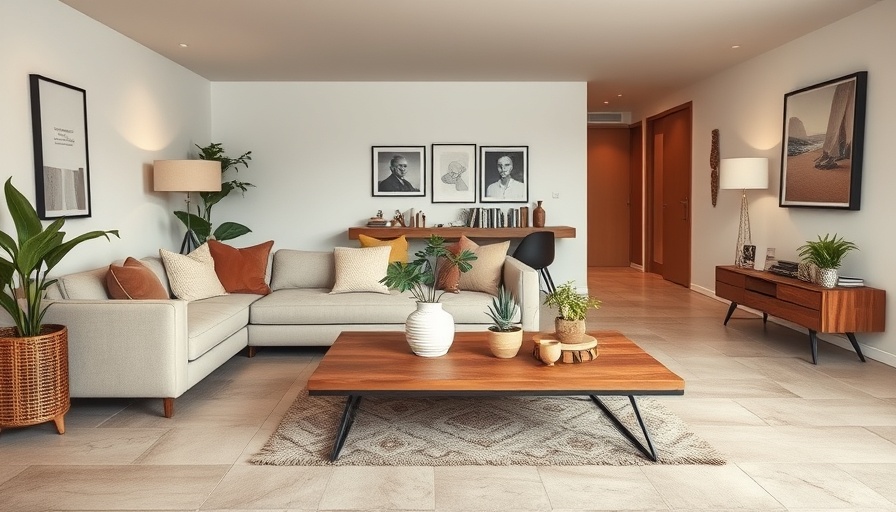
Large format vs subway tile: Modern living room with elegant decor.

Choosing Between Large Format and Subway Tile

When it comes to updating your home, selecting the right tile can significantly affect the aesthetic and functionality of your space. The debate between large format tiles and subway tiles is common among homeowners and designers alike. Understanding the benefits and drawbacks of each style is essential for making a well-informed decision that aligns with both personal preference and practical use.

The Allure of Large Format Tiles

Large format tiles are defined by their size, typically exceeding 12x12 inches and often reaching dimensions such as 24x48 inches. Their expansive surface area allows for fewer grout lines, which can create a visually elegant space and make smaller areas feel more open. This minimalist appeal resonates well with modern design trends that favor a sleek and continuous look.

However, the installation challenges of large tiles should not be overlooked. Their weight and size necessitate professional installation, often resulting in higher labor costs. Additionally, cutting these substantial tiles requires specialized tools, making DIY projects more complicated than with smaller options. While the investment might seem hefty, the aesthetic benefit is undeniable—these tiles can transform ordinary spaces into sophisticated environments.

Subway Tiles: A Timeless Choice

In contrast, subway tiles, usually measured at 3x6 inches, offer a sense of familiarity and versatility. Often associated with kitchen backsplashes and bathroom walls, these tiles are beloved for their affordability and ease of installation. They are simple to manage, making them an excellent choice for DIY enthusiasts.

Yet, the subway tile's classic brick pattern may require creativity to avoid a mundane appearance. Homeowners often resort to mixing colors or experimenting with layouts to create individualized designs. Moreover, the increased number of grout lines introduces more maintenance, as dirt can accumulate in these seams over time.

Evaluating the Differences: Cost, Installation, and Maintenance

One of the most significant differences in this tile debate is cost. Generally, large format tiles come at a premium due to their material and installation complexities. Subway tiles, being more accessible in terms of both price and ease of installation, can save homeowners considerable amounts of money, particularly during large renovation projects.

From a maintenance perspective, subway tiles require more frequent cleaning due to the grout lines, while large tiles can shine longer between cleanings, contributing to a lower long-term maintenance effort. Each option’s characteristics are crucial for homeowners to consider based on their lifestyle and cleaning preferences.

Future Trends in Tile Aesthetics

Both tile types are evolving with innovative designs and sustainable approaches. While large format tiles are increasingly available in eco-friendly materials like recycled content, subway tiles are also seeing new finishes that emphasize sustainability without losing their classic charm. As the sustainability movement gains traction in architectural circles, discerning homeowners may find eco-conscious options that align with their aesthetic and ethical standards.

Making the Right Decision for Your Space

Ultimately, the choice between large format and subway tiles rests upon individual taste, functional requirements, and budget. Homeowners must weigh factors like space size, maintenance capacity, and the overall design vision for their kitchen or bathroom. Consulting with professionals specializing in sustainable building practices can provide invaluable insights tailored specifically to your project goals.

Bringing It All Together

The decision between large format and subway tiles is more than just ornamental; it reflects your personal style and approach to homekeeping. Consider your needs, consult with experts, and view samples where possible. With careful thought and planning, you can achieve a space that not only pleases the eye but also feels welcome.

Invest in your home, and explore the options these tile styles offer—your space deserves it!

Green Design

25 Views

0 Comments

Write A Comment

*
*
Please complete the captcha to submit your comment.
Related Posts All Posts
03.31.2026

Flooring Trends for 2026: Sustainable Styles Gracing Real Homes

Update Flooring Trends for 2026: A Sustainable Perspective As we approach 2026, the conversation about flooring trends is more relevant than ever, especially for homeowners who are committed to sustainability. The flooring in your home does not just tie spaces together; it also reflects your commitment to environmental stewardship. Sustainable flooring options are becoming increasingly important as on-the-rise awareness concerning climate change and eco-friendly practices influences consumer choices. The Rise of Eco-Friendly Materials Flooring materials such as reclaimed wood, bamboo, and cork are not only environmentally friendly but also boast unique aesthetics that can enhance the beauty of any space. Reclaimed wood, for instance, carries a story and character that new materials lack, making each plank a conversation starter. Bamboo, a rapidly renewable resource, is gaining traction due to its strength and versatility. Meanwhile, cork floors offer not only sustainability but also natural insulation and comfort underfoot, making these options perfect for a variety of home settings. Popular Colors and Patterns That Resonate The color palette for flooring in 2026 is evolving past traditional neutrals. While neutral tones remain popular for their timeless appeal, bold patterns and colors offer an opportunity for personal expression. Dark hardwoods or black-stained floors, as noted in recent trends, contrast beautifully with lighter wall colors, creating depth and visual interest. In addition, intricate geometric patterns—such as herringbone and chevron—are not just stylish; they also add a tactile element to spaces that engage and excite the senses. Innovative Designs That Cater to Real Homes Flooring trends are also emphasizing functionality alongside aesthetics. Homeowners are gravitating toward engineered hardwoods which combine the beauty of natural wood with the durability needed for high-traffic areas. Similarly, luxury vinyl is celebrated for its realistic appearance and lower maintenance requirements, making it an excellent choice for families. These materials reflect a modern need to balance beauty with practicality in home design, particularly for busy households. Statement Flooring: Making Floors a Focal Point In 2026, we expect to see more homeowners using flooring as an opportunity to make bold design statements. From colorful mosaic tiles to intricate inlays, statement flooring can transform a room. This trend goes beyond aesthetics—each choice reveals something about the homeowner's personality. Patterns infused with creativity can make common areas feel more inviting and personal. The right flooring can even serve as a design anchor, establishing a foundation for the rest of the decor. Blending Different Flooring Types for Unique Aesthetics An increasingly popular approach to modern home design is the seamless blending of different flooring types. This trend not only provides visual interest but also allows for functional zoning in open-concept spaces. For instance, transitioning from hardwood to tile can define a kitchen area while keeping the overall look cohesive. Homeowners are integrating creative inlays and transition strips that enhance flow and sophistication within their home’s design, making it both functional and stylish. Future Predictions: Where Trends are Heading Looking ahead, it’s clear that the future of flooring will embrace sustainability, creativity, and functionality. Homeowners are becoming increasingly discerning about the materials and designs they choose, favoring options that not only beautify their spaces but also support environmental initiatives. Innovations in flooring technology and design are expected to minimize the carbon footprint associated with flooring installation while maintaining aesthetic appeal. As we approach 2026, the emphasis on sustainable and practical choices will only grow stronger. In conclusion, understanding the evolving landscape of flooring trends is essential for homeowners looking to make informed decisions that align with their values. The future is bright for flooring that works for real homes—choose sustainable, durable materials that add beauty and function to your living spaces.

03.26.2026

Community Thrives: QNP and GEC Partnership for Sustainable Energy

Update The Future of Energy: A Strategic Collaboration In an exciting development for sustainable energy in our community, QNP and GEC have announced a new partnership. This collaboration is set to enhance local energy resources and promote environmental sustainability, vital for the well-being of both our planet and our residents. Building Community Through Sustainable Solutions The importance of partnerships in addressing community challenges cannot be overstated. Much like the initiatives by Prince George's County's Strategic Partnerships Division, which aim to elevate the quality of life through collaboration, QNP and GEC are committed to fostering innovation and solutions that benefit all. By pooling resources and expertise, this partnership aims to make energy consumption more efficient while minimizing environmental impact. Why This Partnership Matters The collaboration between these organizations is crucial, not just for energy sustainability but also for economic development. It will create job opportunities within the community while paving the way for a greener future. As we've seen in past sustainable initiatives, local businesses often thrive when backed by strategic partnerships aimed at resource management and innovation. Looking Ahead: Opportunities for Community Involvement This newfound collaboration opens the door for residents to engage and participate actively. Citizens are encouraged to join efforts that advocate for eco-friendly practices and support sustainable technology. By getting involved, community members will not only witness the transformative power of collaboration but will also play an essential role in shaping the future of our local environment. Conclusion: Join the Movement! As we embrace this partnership, it’s an opportunity for the community to rally together in support of a sustainable future. If you’re passionate about making a difference, consider joining local meetings, supporting eco-friendly initiatives, and spreading the word about the importance of sustainability in our everyday lives. Together, we can be the change we want to see!

03.23.2026

Exploring Architects' Homes: A Reflection of Design Philosophy

Update Discovering the Philosophy Behind Architects' Homes When architects design their own homes, they often create living spaces that reflect their personal philosophies and values. Such homes act as canvas for their ideas and beliefs, merging artistic vision with practicality. If you’re curious about how architectural principles can translate into real-life living, this topic has much to offer.In '6 Architects’ Own Homes That Reflect Their Philosophy,' the discussion dives into how personal and architectural philosophies intertwine, leading us to explore key insights that sparked deeper analysis on our end. Architectural Identity: More Than Just a Home For architects, their own homes are not just places to live – they are statements of their identity and practice. Every detail, color, and design choice embodies their architectural philosophy. From the layout to the materials used, these homes serve as an expressive medium. By studying these residences, we can gain insight into the architects' creative processes and influences. Reflecting Growth: Learning from Each Design Many architects showcase developmental growth in their designs. For instance, one house might reveal a shift toward sustainable materials, while another highlights innovative energy solutions. Such variations allow us to see not only the evolution of their craft but also a commitment to addressing contemporary issues, such as climate change and waste reduction. How These Homes Influence Community and Environment Architects' homes often inspire the surrounding neighborhoods, promoting eco-friendly living and encouraging community members to think critically about their own living environments. Their choices can help shape local trends towards green design and sustainable technology, benefiting both the community and the planet. Bringing Fun and Functionality into Living Spaces Ultimately, seeing architects' homes provides a peek into how creativity can solve everyday challenges. By integrating playful elements with functionality, these designers remind us that our living spaces can be both beautiful and livable. Finding that balance is key – and it’s an important lesson we can all apply in our own homes.

Terms of Service

Privacy Policy

Core Modal Title

Sorry, no results found

You Might Find These Articles Interesting

T
Please Check Your Email
We Will Be Following Up Shortly
*
*
*