

Add Row
Add Element
cropper
update
London Green Homes
update
Add Element
  • Home
  • Categories
    • Eco-renovations
    • London Area Home Service Experts
    • Sustainable Tech
    • Green Design
    • Energy Solutions
    • Waste Reduction
    • Community Events
    • Product Reviews
May 06.2025
3 Minutes Read

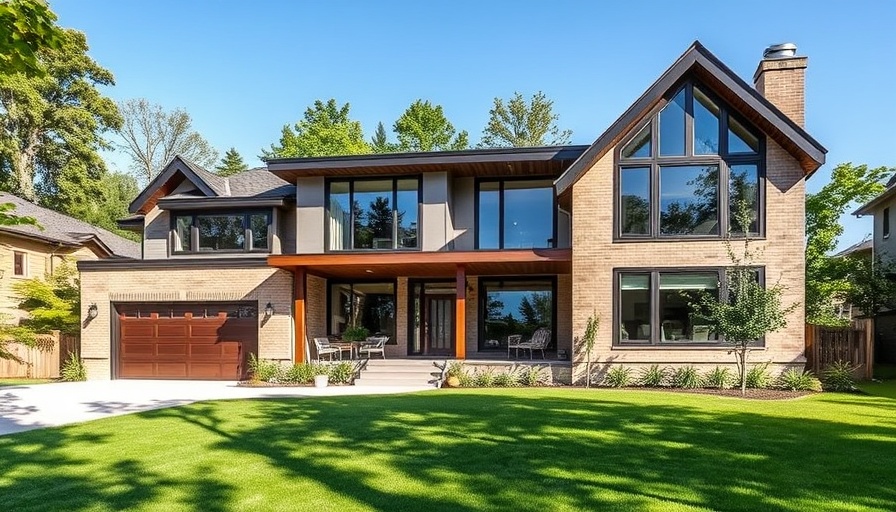
Discover a Sustainable Executive Home Near Toronto GTA Built for Future Resilience

A sustainable executive home near Toronto GTA built for comfort, efficiency, and future resilience

An Eco-Conscious Executive Home: A Sustainable Investment Near Toronto

The concept of sustainable living is gaining traction, and nowhere is this more evident than in a recent listing of an executive home near the Greater Toronto Area (GTA). This impressive residence not only emphasizes comfort and efficiency but is also a hallmark of future resilience in the face of climate change.

Building with Purpose: The Genesis of a Sustainable Home

When the current owners of this property in Erin, Ontario sought to create their ideal executive home, they realized that many options available did not align with their environmental values. Instead of settling for a less efficient design, they took a bold step towards sustainability by opting to construct a custom home that significantly reduces its ecological footprint. This strategic decision showcases the importance of integrating green building practices from conception to execution.

Efficiency at Its Best: Features of the Executive Home

One of the standout features of this home is its focus on energy efficiency. The design incorporates state-of-the-art insulation technologies, which regulate temperatures effectively, thus reducing reliance on non-renewable energy sources. A noteworthy aspect of this residence is its alignment with principles of net-zero energy buildings, which produce as much energy as they consume, making them an attractive choice amidst escalating energy costs.

Renewable Energy Integration: The Future is Here

This home embraces renewable energy sources, seamlessly integrating solar panels that generate clean energy. By employing electric vehicle (EV) charging stations, it also prepares homeowners for a future increasingly centered around electric mobility. These features not only facilitate sustainable living but serve as a practical showcase for anyone contemplating eco-friendly upgrades in their own homes.

Community and Environmental Impact: Why This Matters to You

Building sustainably doesn’t only affect those living in the home; it fosters a culture of responsible living that impacts the broader community. Homes like these become examples for others, demonstrating that luxury and sustainability can co-exist. Moreover, incorporating green practices in local communities promotes energy savings and waste reduction, factors that have immense long-term benefits for both households and the environment.

Future Predictions: The Shift Towards Sustainable Designs

As awareness evolves surrounding climate change and energy consumption, it's anticipated that sustainable building practices will continue to gain prevalence in the housing market. Homeowners in the London area, as demonstrated by this listing, are likely to embrace eco-friendly designs that not only yield immediate benefits but also ensure long-term resilience against climate uncertainties. Future homes will increasingly be designed with a dual purpose: comfort and ecological integrity.

Actionable Insights: How to Build Your Sustainable Dream Home

If you are considering your own sustainable home project, it’s beneficial to consult with local experts in sustainable design. When embarking on this journey, factors such as material choices, energy-efficient technologies, and the home’s orientation to leverage natural light play crucial roles. Engaging with professionals who specialize in eco-friendly building ensures that your vision aligns with best practices in sustainability.

Your Next Steps: Embrace Sustainable Living

This executive home near Toronto isn’t just a property; it’s a blueprint for the future of residential living. As homeowners increasingly prioritize sustainability, now is the ideal time for you to explore options that minimize ecological impact while maximizing comfort. Consider visiting local sustainable home exhibitions or engaging in community workshops on eco-friendly living. By doing so, you are taking a step towards an environmentally responsible lifestyle that values both luxury and sustainability.

Eco-renovations

5 Views

0 Comments

Write A Comment

*
*
Please complete the captcha to submit your comment.
Related Posts All Posts
04.02.2026

Protect Your Home, Prevent Collisions: A Guide to Bird-Safe Window Films

Update Understanding the Importance of Bird-Safe Solutions Each year, a staggering number of birds fall victim to collisions against glass surfaces, often due to their inability to perceive reflective or transparent barriers. The statistics are sobering; millions of birds die in the U.S. alone due to window collisions, as these resilient creatures attempt to navigate their environment. The tragedy is heightened when one considers that these accidents primarily occur during migratory seasons when birds are particularly vulnerable. Homeowners and builders alike have a critical role in mitigating this risk, and installing bird-safe window films presents a practical, effective solution. The Mechanics of Bird Strikes Bird strikes often occur because glass is seen as an open pathway, reflective of their surroundings. As explained in studies by the American Bird Conservancy (ABC) and research from other ornithological experts, a window's reflective properties deceive birds into thinking they can fly through clear or reflective glass without obstruction. This phenomenon is known as the "passage effect," wherein birds perceive a trajectory between two structures and attempt to navigate through it. Therefore, identifying high-risk zones—such as glass balconies and corner windows—is essential for protecting our feathered friends. The 2x2 Rule Explained: Essential Spacing Standards To combat the detrimental effects of bird strikes, the ABC has established the "2x2 rule." This guideline dictates that bird-safe window films must utilize visual markers spaced no more than two inches apart both vertically and horizontally. Adhering to this standard maximizes collision prevention effectiveness, particularly for small birds. When selecting window films, the density of the pattern is crucial, as a more densely applied marker is far more influential in deterring bird interactions. Types of Bird-Safe Window Films: Options for Homeowners Several types of bird-safe films are available, each tailored to suit various aesthetic preferences without sacrificing efficacy. Products such as the WingSafe™ Black Dot Pattern provide an understated visual cue while seamlessly integrating with modern architecture. These films not only reduce bird collisions significantly but also maintain the natural light flow into interiors. The availability of different colors, patterns, and adhesion options allows for customization based on specific architectural styles and preferences. Energy Efficiency Meets Bird Safety The intersection of energy efficiency and bird safety provides an added incentive for homeowners. Many window films offer energy-saving capabilities, reducing heat gain and glare while protecting birds. Passive solar design elements can be enhanced using films that reflect unwanted energy without compromising visibility, creating an energy-efficient solution that aligns with sustainable building practices. Professional Installation: Ensuring Effectiveness While it may seem appealing to install bird-safe films personally, hiring professionals can guarantee that the films are correctly placed and aligned according to the 2x2 rule. Proper installation is crucial for ensuring that the films perform optimally over time. Additionally, professionals can advise on maintenance and long-term care to enhance durability and effectiveness. Long-Term Durability and Maintenance Considerations Another factor to consider when investing in bird-safe window films is their long-term performance. Many reputable products, like the WingSafe™ series, come with warranties that ensure protection for years. Maintaining these films is generally straightforward, requiring regular cleaning to avoid buildup that could compromise visibility or performance. Monitoring for any signs of wear and tear can help in making informed decisions about replacements or repairs. Conformity with Building Codes and Certification Implementing bird-safe solutions may also assist homeowners in achieving compliance with local building codes and certifications, such as LEED points for bird-friendly design. The rising recognition of conservation measures is integral to the future of urban architecture, ensuring that homeowners are not only protecting birds but also adhering to community standards. Taking Action: Why You Should Invest in Bird-Safe Films For homeowners in London, caring for the environment while enhancing their homes is increasingly important. By investing in bird-safe films, you’re contributing to local biodiversity and reducing the risk of window collisions dramatically. Not only does this simple installation protect wildlife, but it also benefits you through energy savings and aesthetic enhancements. Join the movement towards making your home a safer space not just for you, but for the birds that share our urban environments.

03.31.2026

Exploring Silent Architecture for Acoustic Wellness in London Homes

Update Silent Architecture: The Ultimate Refuge for Modern Living In today’s fast-paced metropolitan environment, the demand for peace and quiet has never been more crucial. With the constant buzz of urban life impacting mental health, homeowners are increasingly prioritizing acoustic wellness, giving rise to the innovative concept of ‘silent architecture’. This movement transcends traditional design, prompting architects and builders to re-evaluate not only the visual aspects but also the sonic landscape of living spaces. Focusing on sound-absorptive materials, such as natural wool and cork, this new wave of architecture aims to mitigate stress and foster tranquility, transforming homes into restorative sanctuaries. The Intersection of Acoustics and Well-Being Acoustic wellness is not merely a design trend; it is an essential component of health-focused living. According to Acoustics for Sustainable Design and Well-Being, the way we interact with our surroundings deeply influences our sensory experience. Poor acoustics can lead to a myriad of health issues, including increased cortisol levels, sleep disruptions, and diminished mental clarity. Conversely, well-designed acoustics can enhance focus, relaxation, and overall mental health. As such, silent architecture prioritizes sound-absorbing materials that not only beautify spaces but also improve the auditory experience of residents. The Role of Eco-Friendly Materials Emphasizing sustainability alongside acoustic comfort, architects are integrating bio-based materials that meet both aesthetic and environmental goals. For instance, incorporating materials like cork flooring and recycled denim insulation serves dual purposes: they absorb sound while also aligning with green building principles. Recent studies indicate that the use of sustainable materials can even increase the property value of a home by up to 7%, a strong incentive for homeowners to invest in acoustic enhancements. Innovative Design Strategies for Acoustic Comfort Building acoustic wellness into a home starts with strategic design choices. Techniques such as room zoning—placing utility spaces between quiet areas like bedrooms—serve as effective sound buffers. Luxury Homes have adopted similar principles, highlighting that layout plays a critical role in managing sound transmission. Furthermore, spatial considerations like soundproof windows and insulated walls create a sanctuary of quietude, fostering environments conducive to relaxation and rejuvenation. Future Trends: Smart Acoustic Solutions As technology continues to advance, so too do the solutions for enhancing acoustic comfort in home design. Smart home systems can monitor sound levels and employ noise-masking techniques, providing residents with tailored soundscapes. Innovations in sound cancellation technologies illustrate a growing awareness of the importance of acoustic wellness in modern living. Actionable Insights for Homeowners For homeowners looking to embrace silent architecture, considering acoustic wellness in their renovation plans can significantly enhance quality of life. Key steps include selecting sound-absorptive materials, rethinking room layouts, and investing in technology that supports acoustic comfort. Engaging with specialists in sustainable design ensures that solutions are both effective and environmentally responsible. Conclusion: Embracing Silent Architecture for Healthier Living The emergence of silent architecture signifies a fundamental shift towards more holistic living. As the physical and mental health impacts of our environments become increasingly clear, prioritizing acoustic wellness is vital for creating spaces that support relaxation and mental clarity. Homeowners would do well to consider these principles in their design choices, ultimately transforming their homes into tranquil retreats amidst the chaos of urban life.

03.29.2026

Eco-Friendly Flooring Ideas for Kitchen, Living Room, and Bedroom

Update Finding the Right Flooring: A Room-by-Room Guide When it comes to choosing flooring for your home, the options can be overwhelming. Each room has its own unique needs, and selecting the right material is crucial for both aesthetic appeal and functionality. In this guide, we explore sustainable flooring ideas tailored for your kitchen, living room, and bedroom while emphasizing eco-friendly materials and innovative designs. The Kitchen: Durable and Sustainable Solutions The kitchen is one of the most active areas in the home, requiring flooring that can stand up to spills, foot traffic, and heavy appliances. For eco-conscious homeowners, options such as bamboo and reclaimed wood are ideal. Bamboo, known for its rapid growth and renewability, offers a stylish and sustainable choice that can withstand moisture better than traditional hardwood. Moreover, consider using sustainable ceramic tiles, which come in various styles and colors, providing not just durability but also ease of cleaning. Look for products labeled low-VOC (volatile organic compounds) to maintain good indoor air quality while enjoying the aesthetic appeal. Lastly, linoleum is making a comeback as a flooring option, being made from natural materials like linseed oil and cork, making it biodegradable and sustainable. Living Room Elegance: Blend Comfort and Sustainability The living room serves as a central gathering space, which calls for finishes that encourage warmth and comfort. Cork flooring is an excellent choice as it not only provides a soft feel underfoot but also has natural insulating properties that help regulate temperature and reduce noise. Additionally, consider using eco-friendly carpets woven from recycled materials. These options are not only stylish but also support a circular economy by diverting waste from landfills. Brands offering organic cotton or wool carpets ensure that your flooring contributes to a healthier home environment while adding a layer of luxury. Bedroom Retreat: Calming and Aesthetic Choices In the bedroom, tranquility is key. Soft, cozy, and sustainable options like natural fiber carpets or ethically-sourced hardwoods can create a serene atmosphere. Bamboo flooring is again a contender here, providing a chic and eco-friendly look while being sustainable. Moreover, recycled or reclaimed wood is a wonderful addition, as it brings character and history into your space, while also being environmentally responsible. Natural fiber rugs such as sisal or jute add texture and comfort, making them perfect for complementing other sustainable choices. Innovative Trends in Sustainable Flooring The flooring industry continues to evolve, with innovations making sustainable choices even more accessible. Think about advancements like water-resistant flooring options made from recycled materials, which are perfect for homes with pets or young children. Additionally, digital printing technology allows homeowners to customize their floors with designs that reflect personal style without the environmental impact of traditional printing processes. Closing Thoughts: Making Informed Choices Choosing the right flooring is not merely a design decision; it’s about making sustainable choices that align with environmental commitments. By selecting renewable materials and eco-friendly options, you’re not only enhancing your home but also contributing positively to the planet. As you explore flooring choices, remember the principles of sustainability, functionality, and style—factors that will ultimately guide you to make informed selections that suit your space and values. Are you ready to explore sustainable flooring options for your home? Visit your local eco-focused retailers or consult with professionals on how best to transform your space using green design principles.

Terms of Service

Privacy Policy

Core Modal Title

Sorry, no results found

You Might Find These Articles Interesting

T
Please Check Your Email
We Will Be Following Up Shortly
*
*
*