
Add Row
Add Element
cropper
update
London Green Homes
update
Add Element
  • Home
  • Categories
    • Eco-renovations
    • London Area Home Service Experts
    • Sustainable Tech
    • Green Design
    • Energy Solutions
    • Waste Reduction
    • Community Events
    • Product Reviews
May 01.2025
3 Minutes Read

Avoid Renovators Regret: Transform Your Home into an Energy-Efficient Haven

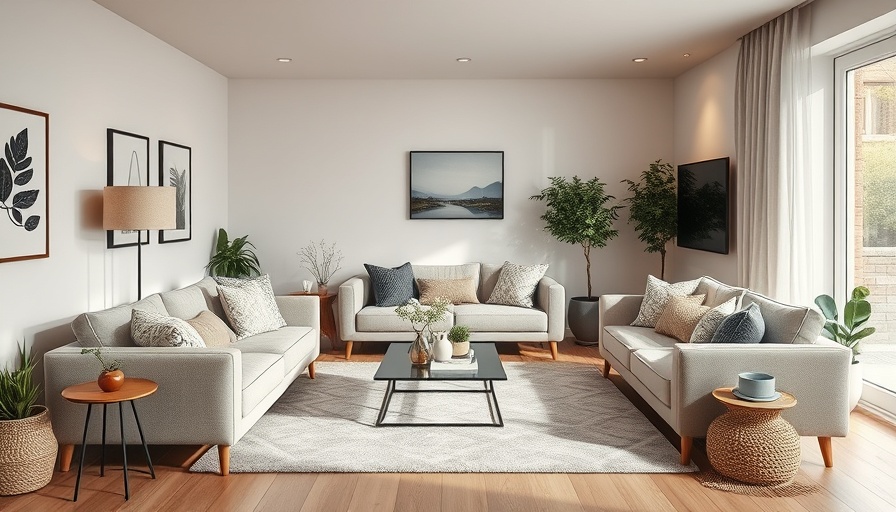
Modern living room to save yourself from Renovators Regret.

Understanding Renovators Regret: A Cautionary Tale

In the realm of home renovations, the term "Renovators Regret" looms large. It often emerges during the winter months when homeowners face unexpected challenges, despite having made aesthetic upgrades that appeared flawless in online showcases. This is exemplified by a recent Instagram post showcasing a beautifully restored property. Amid the praise for its original features, the owner lamented about the difficulties of maintaining warmth, relying on heavy curtains, wood burners, and thick sweaters to fend off winter's chill. Such scenarios underscore the critical importance of planning beyond mere aesthetics.

Prioritizing Functionality in Renovations

One critical takeaway for potential renovators is the necessity of starting with functionality in mind. Homeowners can often become enamored by the visual appeal of a design, neglecting the foundational aspects of energy efficiency. For those contemplating renovations, the principle is simple: prioritize the building's fabric first. This forward-thinking approach not only ensures a comfortable living environment but can also lead to substantial savings on energy costs—a key consideration in our increasingly energy-conscious world.

Real Financial Benefits of Energy-Efficient Renovations

Personally, after retrofitting my Victorian home built in 1901, the impact was profound. Our energy consumption dropped dramatically—from 25,500 kWh per year to less than 6,000 kWh. This reduction not only reflects our commitment to sustainability but comes with impressive financial benefits, including an increase of £90,000 in property value against an initial investment of just £23,000 in retrofitting. Such returns make a compelling case for approaching home renovations with a strategic focus on energy efficiency.

Essential Steps for Energy-Efficient Renovation

To achieve optimal energy efficiency, there are several critical components renovators must consider:

  • Insulation: Comprehensive insulation should envelop walls, with optimal thickness ranging from 60mm to 100mm. Choosing the right type of insulation is crucial, especially in homes built before 1930.
  • Airtightness: A tight building envelope prevents uncontrolled air leakage, akin to donning a windproof jacket when stepping outside. Installing an airtightness membrane behind insulation helps to seal gaps and regulate airflow, enhancing comfort.
  • Ventilation: Once air is sealed in, controlled ventilation must be introduced to prevent issues like condensation and mold. Options include trickle vents in windows or heat recovery ventilation units, which recycle warm air, optimizing heating efficiency.
  • Breathability: Not all homes can be treated identically—particularly older properties with suspended floors. Understanding a property's breathing characteristics is key to selecting the right insulation and ventilation strategy.

The Cost-Benefit Analysis of Eco-Renovations

While the upfront costs of energy-efficient renovations can appear daunting, conducting a thorough cost-benefit analysis reveals a favorable outlook. For instance, enhancing your home’s energy performance can yield returns that far exceed the initial expenditures, as demonstrated in my own experience. Moreover, in a time when heating prices are rising across the board, making informed decisions about home energy systems protects not only your comfort but also your finances.

Future Trends in Sustainable Renovation

Renovators today are increasingly shifting their focus towards sustainability and energy efficiency as environmental awareness grows. Expect to see an emergent trend where innovations in eco-materials and renewable technologies find mainstream application in home renovations. This could include using locally-sourced materials, integrating solar panels, and adopting smart home technologies that monitor and reduce energy consumption.

Conclusion: Take Action Towards a Sustainable Home

As winter approaches, don’t let yourself fall into the trap of regrettable renovations. Begin with a focus on energy efficiency, and plan your renovations carefully to transform your living space into one that is not only visually appealing but also warm, inviting, and economical to run. By taking these steps, you ensure that your home reflects both your aesthetic aspirations and your commitment to environmental responsibility. Start your renovation journey on the right foot—your future self will thank you.

Eco-renovations

7 Views

0 Comments

Write A Comment

*
*
Related Posts All Posts
02.21.2026

Elevate Your Space: How to Choose the Right Bathroom Materials for Longevity

Update Understanding the Importance of Material Selection in BathroomsThe bathroom is one of the most frequented spaces in our homes; however, it is uniquely vulnerable to the harsh realities of humidity, temperature fluctuations, and the daily onslaught of water. Thus, selecting the right materials goes beyond mere aesthetics—it is fundamental to creating a sustainable, functional, and long-lasting bathroom environment. Materials must be chosen not just for their visual appeal but also for their ability to withstand these demanding conditions while maintaining hygiene and elegance.Durability: The Backbone of Bathroom DesignMaterials like porcelain tiles are hailed for their water-resistant qualities, making them ideal for wet areas. Porcelain tiles, when carefully selected to include textured surfaces, not only add to the design appeal but also minimize the risk of slips, especially in high-traffic areas. The transition from ceramic to porcelain may appear daunting due to cost, but it often pays off long-term by reducing the likelihood of severe damage and subsequent repair costs.The Balancing Act: Cost vs. LongevityShort-term savings can be misleading—opt for high-quality materials that minimize future expenses. For example, choosing waterproof vinyl flooring might seem like an attractive compromise due to its lower price point; however, it may not endure in busy households as well as premium tiles. Consider investing in natural stone or high-quality acrylic wall panels, which, while initially pricy, can save on both cleaning efforts and replacements down the line. Such choices are further reinforced by the data from the industry showing that well-chosen materials significantly enhance the life cycle of bathroom fixtures.Space-Saving Strategies with Smart MaterialsIn compact bathrooms, selecting the right materials can create a perception of larger space without structural changes. For instance, large-format tiles can minimize grout lines leading to a smoother aesthetic, while light-colored finishes on wall panels enhance luminosity and openness. Wall-hung fixtures not only free up floor space but also simplify cleaning routines. Such thoughtful material choices can amplify the functionality and visual allure of any small bathroom.Common Pitfalls to AvoidRushed material selection can lead to significant long-term issues. Aesthetic choices must be balanced with practical concerns—picking glossy surfaces may enhance beauty but can be slippery when wet. Compliance with moisture resistance ratings is non-negotiable; always check for manufacturer specifications to ensure longevity. Additionally, disparate material types, each with varying wear and tear rates, can lead to mismatched aging and undesirable aesthetics.Conclusion: Invest for the FutureWhile investing in durable materials may require a larger upfront cost, the benefits they offer—such as reduced maintenance, longevity, and improved aesthetics—far outweigh temporary savings. As homeowners embark on renovations, they should prioritize sustainability and quality to avoid common mishaps and ensure that their bathroom remains a sanctuary of both comfort and style for years to come. For a more hands-on approach, seeking counsel from professionals in eco-friendly materials can clarify the myriad options available, tailored specifically to one’s personal preferences and space requirements.

02.19.2026

Explore Timeless One-Syllable Boy Names: Strong, Simple, and Stylish

Update Why One-Syllable Names Are Perfect for Your Baby BoyOne-syllable boy names come in various styles and meanings, capturing the imagination of many parents. The charm of these concise names is undeniable—they carry a certain strength and simplicity that resonates through generations. Think of classic names like James and Jack, which have stood the test of time and remain favorites among new parents. In an era of longer and more elaborate names, monosyllabic names often stand out in their uniqueness and punchiness.Modern Trends in NamingAccording to recent analyses, a significant portion of popular boy names today are one-syllable, accounting for almost 15% of the Top 500 names. This trend not only highlights the enduring popularity of these names but also reflects a societal shift towards simpler, more straightforward choices for children. Many parents appreciate the ease with which these names can fit into various contexts, especially when paired with longer surnames. As Laura Wattenberg from Namerology notes, short names like James and John embody a timeless appeal, often serving as neutral middle names that balance longer first names.Choosing the Right NameWhen it comes to selecting the perfect one-syllable name, parents have a wealth of options. From distinctively modern names like Finn and Cole to classic choices such as Dean and George, the variety is extensive. Notably, names like Rex and Ace not only sound cool but also carry meanings that evoke strength and leadership. Moreover, many parents are now leaning towards names that carry personal significance or reflect cultural heritage.Some Unique FindsIt's also worth noting that while names like Jack and Jett make the top lists, emerging names like Gwyn and Bram reflect a modern twist that many parents are excited to embrace. As you explore your options, consider how each name resonates with you and your family. In choosing a name, aim for something that feels both meaningful and personal; remember, your baby's name is the first gift you will give them.Conclusion: Embrace the SimplicityIn conclusion, one-syllable boy names are more than just convenient—they're powerful, timeless, and elegant. With a blend of modern and traditional options, choosing the right name can be both a fun and fulfilling process. So whether you’re a fan of the classics or ready to pave the way with something new, there's a perfect one-syllable name out there for your little one.

02.18.2026

Your Ultimate Guide to Bathroom Remodeling Costs and Trends for 2026

Update Transforming Your Space: The Modern Bathroom Remodeling Guide for 2026 In 2026, the drive to remodel bathrooms stems not just from aesthetics but from a deeper desire for improved functionality and comfort. Homeowners are searching for innovative designs that seamlessly integrate with their daily lives, providing solutions like better storage, updated layouts for easier use, and durable materials that promise longevity. Cost Insights: Understanding 2026 Bathroom Remodeling Expenses When it comes to bathroom remodeling, understanding the cost implications is crucial. Homeowners can expect to spend between $6,600 and $18,000 on average, with high-end projects potentially surpassing $80,000. Key cost determinants include bathroom size, material choices, and the complexity of redesign. For instance, keeping plumbing fixtures in the same location can vastly reduce expenses, while shifting plumbing often results in higher labor costs. According to the NerdWallet, homeowners can anticipate around 40% to 65% of their total budget to be allocated to labor, underscoring the importance of getting multiple quotes to avoid unexpected bills later. Smart Budgeting for Bathroom Improvements Efficient budgeting is vital for any remodeling project. Experts recommend setting aside 10-20% of your total budget for unforeseen repairs, such as hidden plumbing or water damage. A strategic approach also includes reusing existing fixtures when possible. For example, refinishing a bathtub instead of outright replacement can save significant costs, while still lending a fresh look to the bathroom. Layout Trends: Designing Efficient Spaces The demand for functional bathroom layouts is more pronounced in 2026, with designs focusing on open movement and designated wet/dry zones. Here are some popular layouts: Single-wall layouts: Perfect for smaller bathrooms and cost-effective as they minimize plumbing changes. L-shaped layouts: These clearly define separate areas for bathing and grooming. Split layouts: Offering privacy by segregating the toilet from the main bathing area. Each layout presents unique advantages based on available space and homeowner needs, emphasizing the importance of measuring fixtures and plumbing locations accurately before proceeding with any design alterations. Material Selection: Investing in Durability The harsh environment of a bathroom necessitates the selection of robust materials. While porcelain tile is an excellent choice for its durability and low maintenance, natural stones may require more upkeep. Furthermore, bringing in eco-friendly options like sustainable woods or recycled materials can enhance environmental responsibility without sacrificing style. The Value of a Bathroom Remodel Beyond aesthetics and functionality, a remodel can significantly increase a home's value. According to a study from the Remodeling 2025 Cost vs. Value Report, mid-range renovations can recoup up to 80% of their costs, making them a financially sound investment. However, homeowners should also consider the long-term benefits, such as improved hygiene, enhanced accessibility, and energy efficiency through low-flow fixtures and LED lighting. Embracing the Future: Sustainable Bathroom Innovations As sustainability remains at the forefront of modern construction, many homeowners are integrating environmentally friendly features into their bathroom designs. Low-flow toilets, energy-efficient lighting, and the use of recycled materials contribute not only to a smaller environmental footprint but also to reduced utility bills. Innovations such as heated floors and aromatherapy installations are further augmenting the spa-like feel of bathrooms. Conclusion: Ready to Start Your Bathroom Remodeling Journey? If you’re considering a bathroom remodel in 2026, now is the time to plan. By understanding costs, optimizing layouts, and choosing sustainable materials, you can create a space that reflects your style while enhancing your home’s value. Don’t hesitate to reach out for expert guidance and consultations to kickstart your project and make your vision a reality.

Terms of Service

Privacy Policy

Core Modal Title

Sorry, no results found

You Might Find These Articles Interesting

T
Please Check Your Email
We Will Be Following Up Shortly
*
*
*